

What Do You Need to Know About Croatia? The FAQs
We’re here to answer some of the most frequently asked questions about Croatia to give you one less thing to think about so you can focus on the fun stuff.
Because who better to help you than a local?
First things first, do you need a visa to travel to Croatia?
There are also several other visa-exempt agreements in place with many other countries. Around 90 nationalities are usually granted a visa-free stay of up to 90 days!
Is Croatia part of Schengen?
Croatia didn’t only get a new currency in 2023 – it entered the Schengen zone. As of January 1, 2023, Croatia became a Schengen member or part of a joint European territory that operates as one state with border controls. This means there are no border controls between Schengen members or that the border control between Croatia and other Schengen member states is now abolished.
How will this help you? Well, the next time you visit Croatia from a neighbouring Schengen country, you’ll no longer have to wait at border control.
When is the best time to visit Croatia?
Croatia has long been known as a summer destination, but that doesn’t mean you shouldn’t visit during some less popular tourism months. While July and August are the heart of the tourist season, especially on the Croatian coast, shoulder season months are becoming increasingly popular amongst travellers looking for a less crowded vacation. The Dalmatia region of Croatia traditionally begins welcoming tourists as early as March, with visitors trickling in from all parts of the world through the end of October.
Croatia’s Mediterranean climate makes it easy to visit most of the year, with dry and hot summer months on the coast hitting the high 30s° Celsius and mild winters averaging around 5° Celsius. However, you should expect some sweltering summer days over 30° Celsius and even the occasional (but mostly rare) snowfall in the heart of winter. March through mid-June will have many sunny spring days ranging from 15-20° Celsius, while the sea is warm enough to swim in until November in some cases! Depending on the type of trip you’re looking to have, don’t feel like Croatia is limited to busy summer travel.
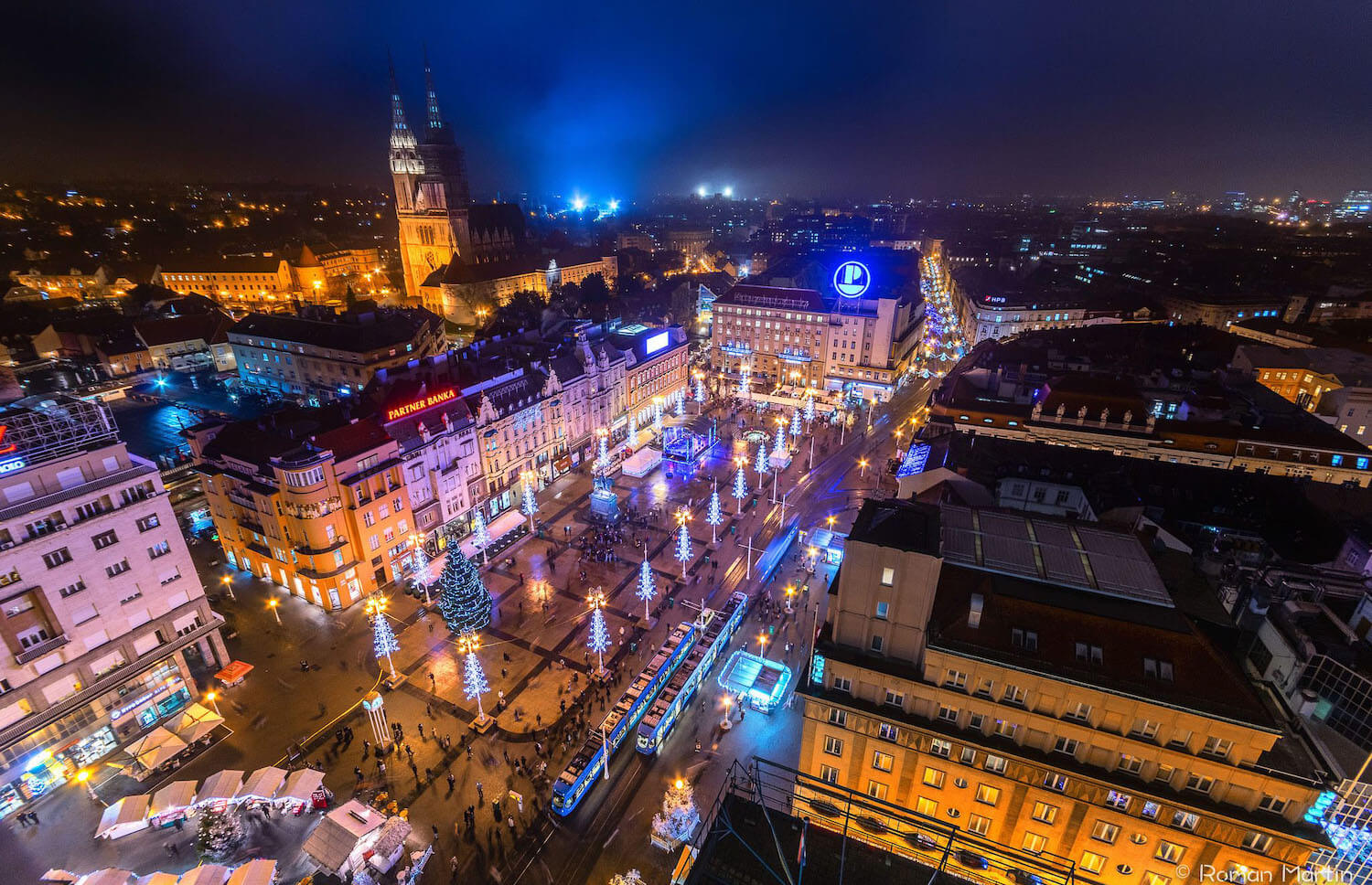
Pro tip: Remember that January and February are Croatia’s slowest months, with many shops and restaurants closed along the coast, while the weather tends to be at its worst on the coast then, too.
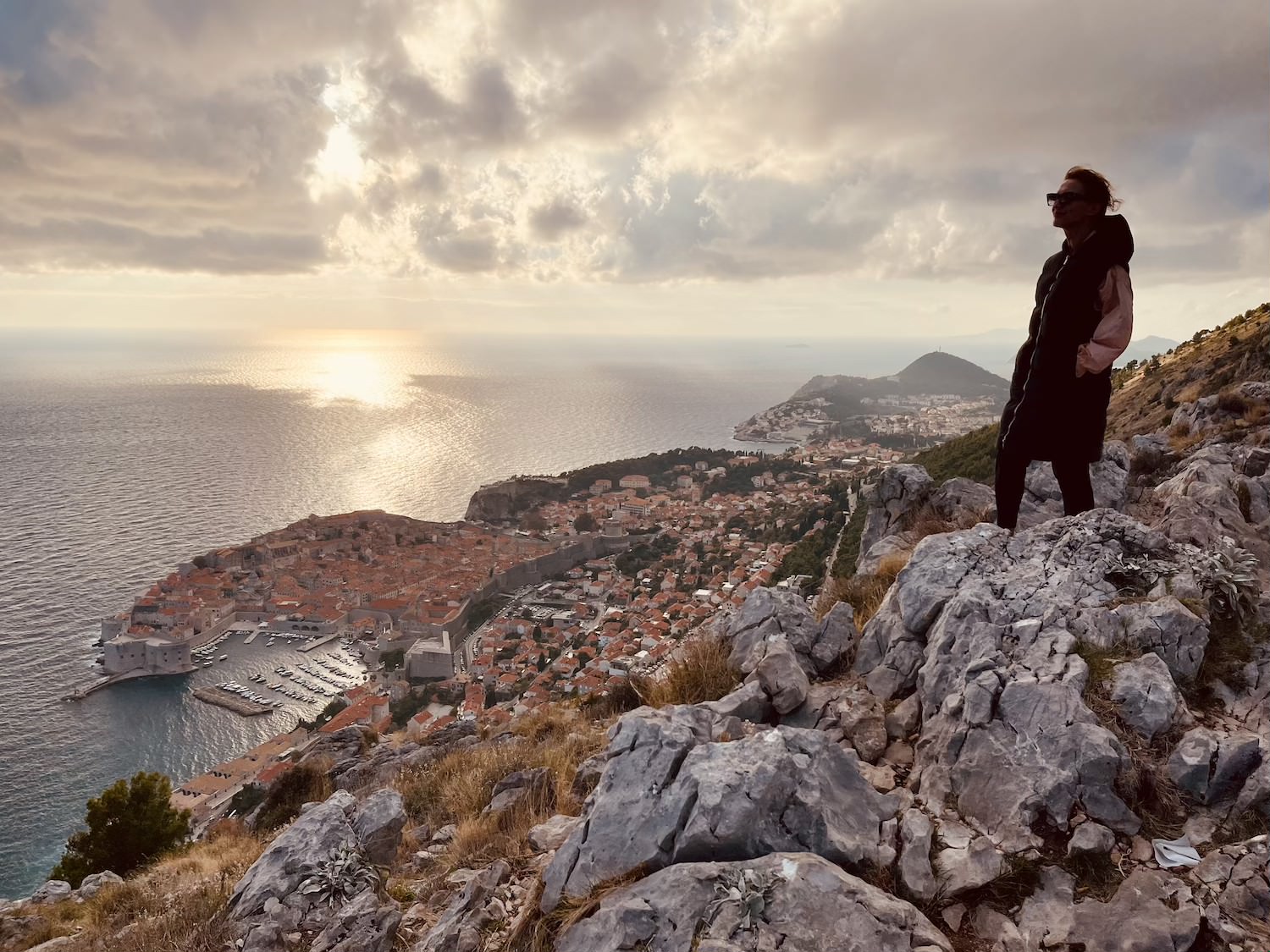
But is Croatia safe?
Did you know Croatia is one of the safest countries in the world? The Global Peace Index ranked Croatia 15th on the list of the safest countries in the world in 2022, looking at several factors, including internal and external violent conflicts, level of distrust, political instability, potential for terrorist acts, number of homicides, military expenditures as a percentage of GDP, domestic conflicts, and societal safety. Terrorism, guns, natural disasters, and criminal acts, in general, don’t really exist in Croatia, which we’d like to attribute to Croatia’s culture and sense of community.
What language is spoken in Croatia?
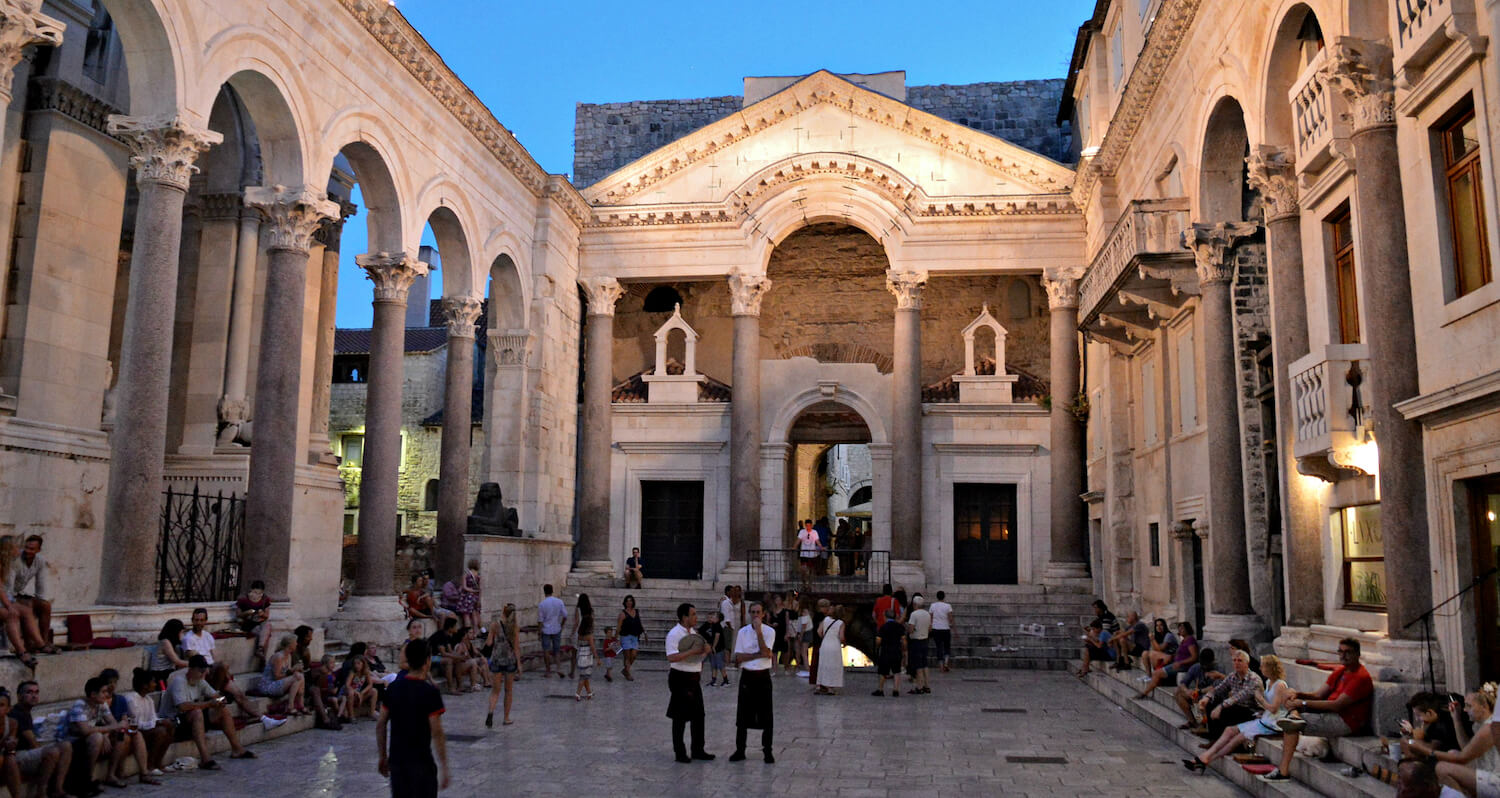
But don’t let this overwhelm you. Around 80% of Croatians are multilingual, and English, German, and Italian are most common next to Croatian. If you want to grasp Croatian without doing the hard work, “hvala” or “thank you” is a great start.
What is the official currency in Croatia?
Since we’re on the topic of money, can you use credit cards in Croatia?
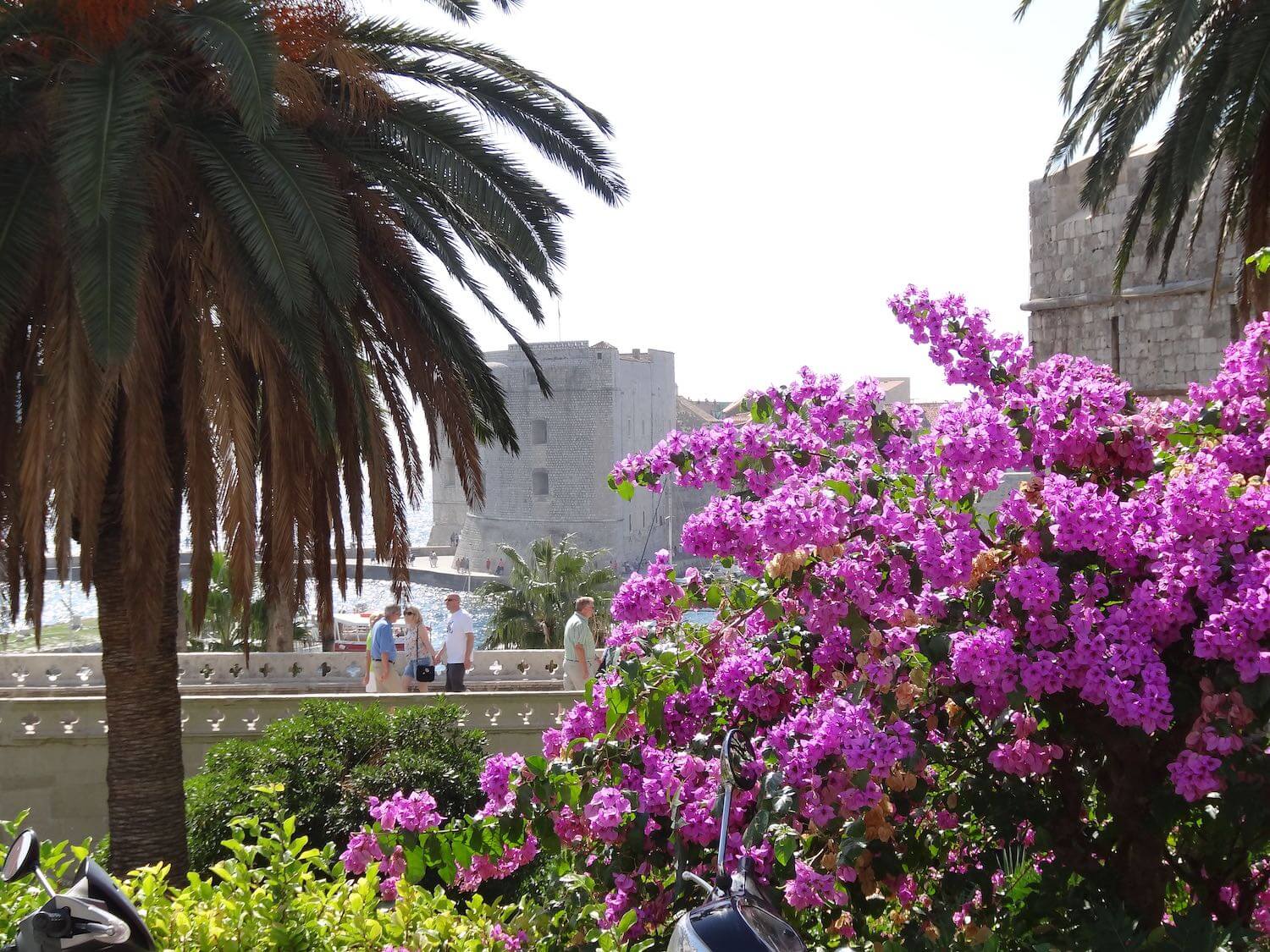
Why should you visit Croatia?
We have the most straightforward answer to this question – why not? If you need travel inspiration for your next Croatia holiday, don’t forget to explore our tours, trips, and experiences to make your next trip one you won’t soon forget!
#tourguide_split
Get in touch for availability and pricing
#tourguide_split
email:
vrancic.jelena@gmail.com
or
jelena@croatia-awaits.com
phone (Whatsapp/Viber):
+385 (99) 76 86 196
SERVICES
We use secure Monri WSPay Payment Gateway system

Credit cards accepted





All rights reserved © CROATIA AWAITS D.O.O.| OIB: 99795286758 | IBAN: HR 22 2340 0091 1111 98 95 0 | Privacy Policy | Terms & Conditions | Uvjeti poslovanja